Cast Iron Weeknight Hero: Sear, Roast, Repeat
Discover how your trusty cast iron skillet can transform weeknight dinners into culinary masterpieces with minimal effort. Sear, roast, repeat—it's that simple.
Introduction to Cast Iron Magic
There's something undeniably satisfying about cooking with cast iron. It's sturdy, it's reliable, and it holds heat like a champ. Whether you're searing a juicy steak or roasting a tray of vegetables, your cast iron skillet can be your weeknight hero. Let's dive into why this kitchen workhorse is the MVP of your stovetop.
Why Cast Iron?
- Heat Retention: Cast iron retains heat better than most materials, ensuring your food cooks evenly and stays warm longer.
- Versatility: From stovetop to oven, your skillet can handle it all. Sear your meat, transfer it to the oven, and finish cooking—no need to dirty extra pans.
- Flavor: The slight iron transfer can enhance the flavor of your dishes, creating a depth you just can't replicate with other cookware.
The Art of Searing
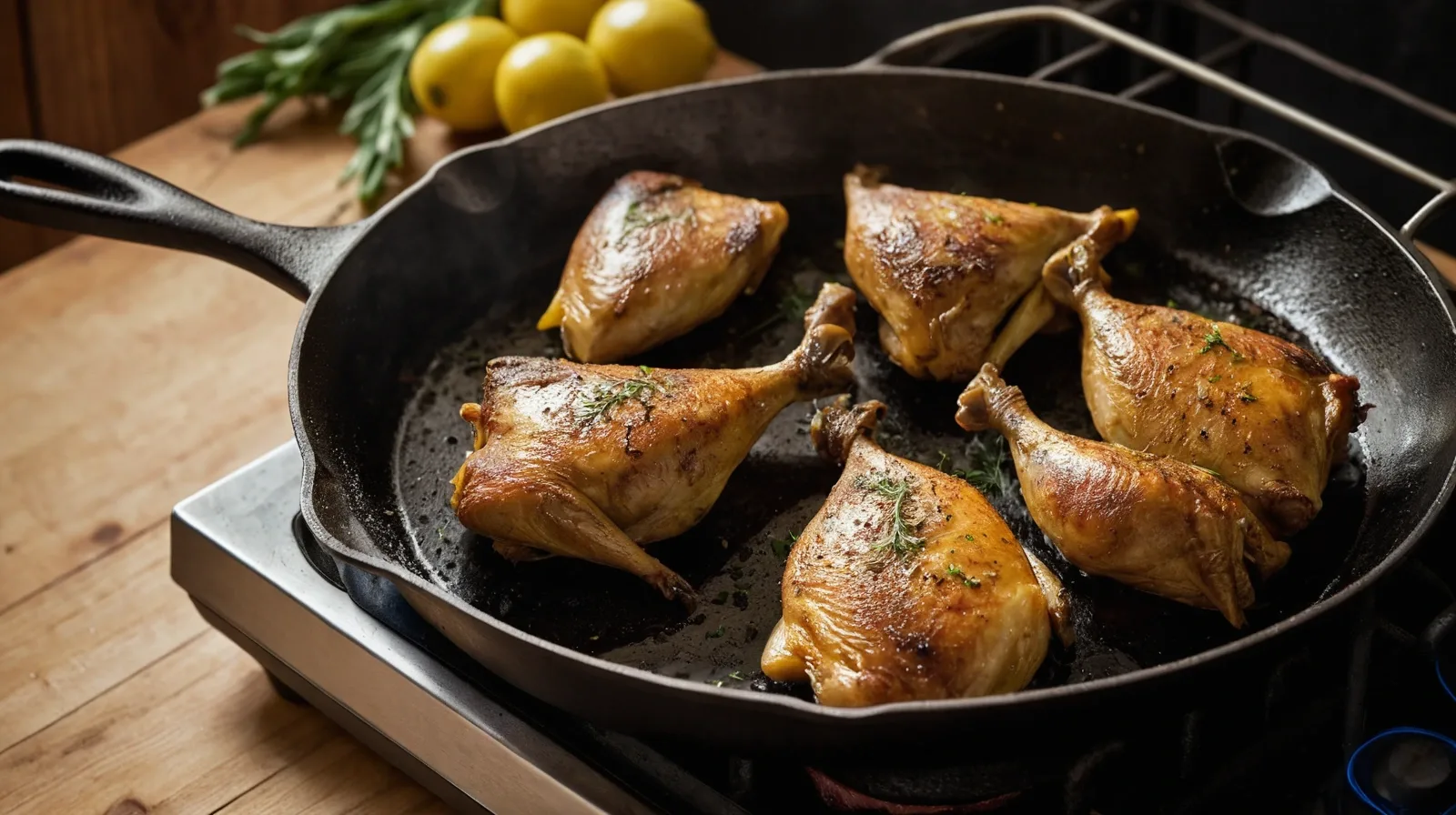
Searing isn't just about creating a pretty crust; it's about locking in flavor through the Maillard reaction. Here's how to get it right:
- Preheat: Get your skillet screaming hot. A good sear starts with a hot pan.
- Pat Dry: Ensure your meat is dry to prevent steaming instead of searing.
- Oil: Add a thin layer of high smoke-point oil (like canola or avocado) and let it shimmer but not smoke.
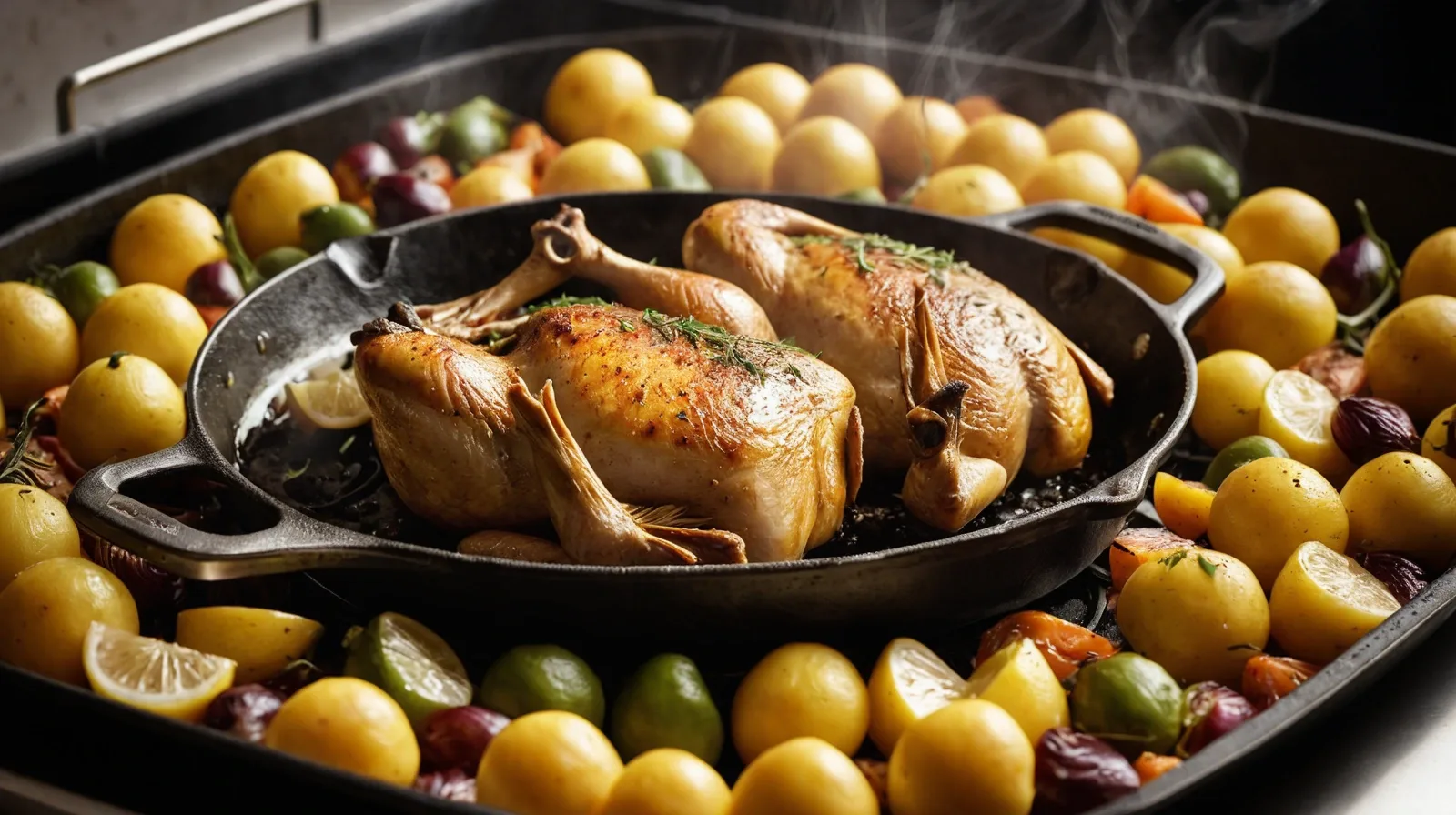
- Sear: Place your meat in the pan and don't touch it! Let it form a crust before flipping, about 2-3 minutes per side for medium-rare.
Roasting with Ease
Once you've mastered searing, roasting in the same skillet is a breeze:
- Oven Ready: Most cast iron is oven-safe, so pop your skillet straight from stovetop to oven without missing a beat.
- Temperature: Roast at 400°F (204°C) for most vegetables and proteins. Adjust based on your recipe and desired doneness.
- De-glaze: After roasting, deglaze your pan with a splash of wine, broth, or water to scrape up those flavorful bits and make a quick sauce.
Tips for Cast Iron Care
Keep your cast iron in tip-top shape with these simple tips:
- Clean Gently: Avoid soap if possible. Use hot water and a stiff brush to scrub away food particles.
- Dry Thoroughly: Dry your skillet immediately after washing to prevent rust.
- Season Regularly: Rub a thin layer of oil over the surface after each use to maintain that slick, non-stick surface.
Mini FAQ
Can I use cast iron on any stovetop?
Absolutely! Cast iron works on gas, electric, induction (if it's flat enough), and even over a campfire.
How do I know when my skillet is hot enough?
Sprinkle a few drops of water on the skillet; if they dance and evaporate instantly, you're good to go.
Is seasoning the same as cooking with spices?
Nope! Seasoning is applying a thin layer of oil and baking it on to create a non-stick surface.
Closing Thoughts
Cooking with cast iron is about simplicity and durability. With just a sear and a roast, you can turn any weeknight into a gourmet experience. So grab your skillet, and let's get cooking. Remember, the secret ingredient is always time—and a little bit of love for your trusty cast iron sidekick.